
Fun Social Activities for Seniors to Enjoy Every Day
08-19-2026
As people age, opportunities for regular social interaction can sometimes become limited. Retirement, mobility changes, living alone, or losing touch with friends may make everyday life feel less connected. Finding enjoyable social activities for seniors can help older adults maintain meaningful relationships while adding purpose and enjoyment to their routines. From a morning walk with a neighbour to an afternoon craft session, simple activities can make a meaningful difference. This guide explores easy, enjoyable ideas that families and caregivers can use to encourage connection every day.
Why Social Activities Matter for Seniors
Social connection is an important part of healthy aging. The benefits of social activities for seniors include opportunities for conversation, emotional support, mental stimulation, physical movement, and a stronger sense of belonging. Social isolation can have the opposite effect. The National Institute on Aging notes that social isolation and loneliness are associated with increased risks of depression, anxiety, cognitive decline, and other health concerns among older adults. Regular interaction can therefore be an important part of supporting overall wellbeing.
For families, encouraging social activities for seniors can also create structure in a loved one's day. A weekly gathering, regular phone call, or shared hobby gives seniors something to anticipate and helps them remain connected to the people around them.
Best Social Activities for Seniors
The most effective activities are not necessarily expensive or complicated. Social activities for senior citizens can be built around familiar hobbies, everyday routines, and interests that an older adult already enjoys.
- Group: Card games, bingo, book clubs, trivia, group walks, and community gatherings provide opportunities to meet others and enjoy friendly conversation.
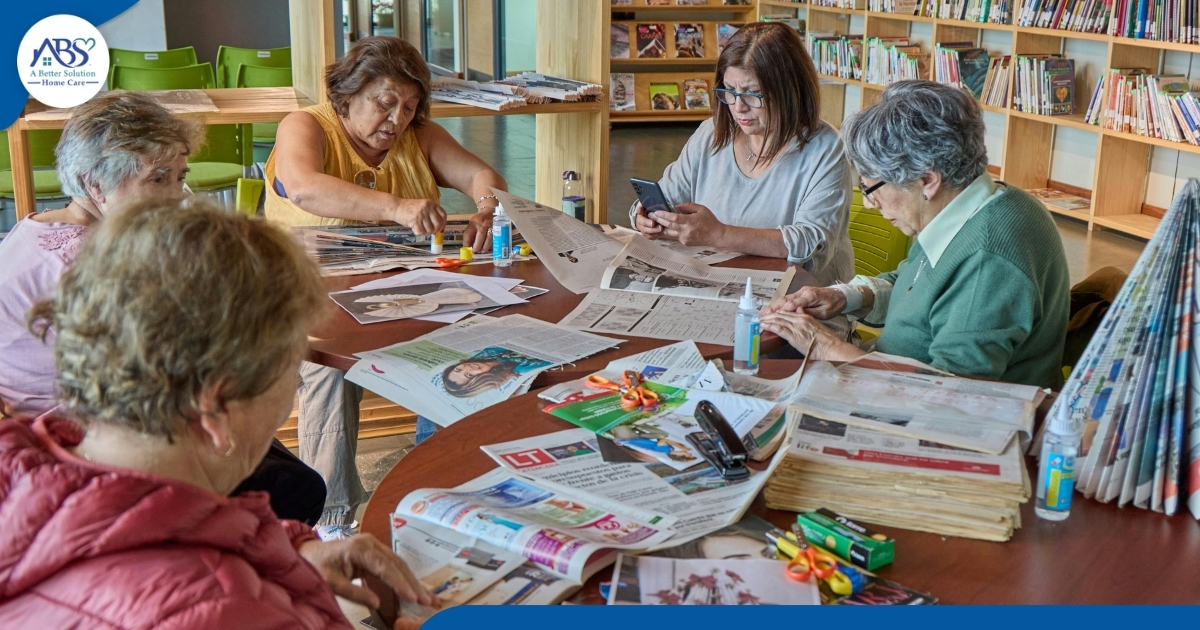
- Indoor: Puzzles, cooking sessions, crafts, movie afternoons, board games, and shared meals are convenient options when travelling outdoors is difficult.
- Outdoor: Gardening, park walks, birdwatching, picnics, and visits to local community spaces combine fresh air with companionship.
- Creative: Painting, music, knitting, photography, pottery, and other creative hobbies encourage self-expression while creating opportunities to learn and create with others.
- Tech-based: Video calls, online classes, virtual book clubs, and senior-friendly apps can help older adults stay connected with family and friends who live elsewhere.
The best social activities for seniors are those that feel enjoyable rather than forced. A weekly card game or regular walk can become a meaningful part of a senior's routine when it matches their interests and abilities.

Social Activities for Seniors with Limited Mobility
Limited mobility does not have to prevent an older adult from enjoying meaningful connections. Many social activities for seniors can be modified for people who spend most of their time at home or prefer seated activities.
- Seated exercises and chair yoga: Gentle classes allow seniors to move safely while interacting with others. They can be performed individually at home or as part of a virtual group.
- Virtual clubs and video-call meetups: Online book clubs, hobby groups, family calls, and community meetings can provide regular interaction without requiring travel.
- Memory games and audiobooks: Word games, simple puzzles, trivia, and shared audiobook sessions can provide mental stimulation and opportunities for conversation.
- Container gardening and indoor plants: Planting herbs, caring for houseplants, or maintaining a small container garden can be adapted to a table, balcony, or other accessible space.
These indoor activities for seniors can be particularly useful during extreme weather or when transportation is unavailable. What matters most is creating genuine opportunities for participation and connection rather than simply keeping someone occupied.
How to Encourage a Loved One to Stay Socially Active
Some seniors may withdraw from social situations because they feel tired, uncomfortable, or uncertain about joining new activities. Family caregivers can make the process easier by introducing social opportunities gradually and focusing on what the older adult genuinely enjoys.
- Start with their interests: Ask about hobbies, favourite music, books, games, or places they enjoy. Familiar interests can make new social opportunities feel more comfortable.
- Begin with small interactions: Instead of suggesting a large gathering immediately, start with a neighbour's visit, family lunch, or one-on-one activity.
- Create a routine: Schedule regular activities so social interaction becomes a natural part of the week rather than something that happens only occasionally.
- Remove practical barriers: Help with transportation, technology, mobility needs, or scheduling when these factors prevent participation.
- Respect their preferences: Some seniors enjoy large groups, while others prefer quieter conversations or smaller gatherings. Let their comfort level guide the choice.
- Consider companionship care: If family members cannot always be available, a professional companion can provide conversation, encouragement, and support while participating in everyday activities.
Consistent social activities for seniors can be easier to maintain when an older adult has someone nearby to provide encouragement and companionship. The goal is to support independence while making social connection more accessible.
Frequently Asked Questions
What are the benefits of social activities for seniors?
They can reduce loneliness, encourage mental stimulation, support emotional wellbeing, and provide a sense of purpose. Regular interaction also gives seniors opportunities to maintain relationships and participate in enjoyable routines.
What social activities are best for seniors with dementia?
Familiar activities such as music, simple crafts, gardening, photographs, gentle exercise, and small-group games can work well. Activities should match the person's abilities and interests.
How can seniors stay social at home?
Phone calls, video chats, virtual clubs, online classes, shared meals, games, and visits from family or companions can help seniors maintain regular social connection without leaving home.
How often should seniors socialize?
There is no ideal number for everyone. Regular interaction throughout the week is helpful, but the frequency should reflect the senior's preferences, energy, mobility, and comfort level.
Keeping Seniors Connected Every Day
Staying socially connected can bring purpose, enjoyment, and a greater sense of belonging to everyday life. Whether it is a favourite hobby, a conversation with family, a group outing, or a simple activity at home, social activities for seniors can help older adults remain engaged and connected. With the right encouragement and support, families can make companionship a consistent and meaningful part of aging.
Ask about our companionship care to keep your loved one socially engaged.