
VA Aid & Attendance for In-Home Care: A Florida Veteran's Guide (2026)
09-24-2026
Staying at home can become more difficult when everyday tasks such as bathing, dressing, preparing meals, or moving safely require another person's help. For Florida Veterans and surviving spouses, the cost of that support can also become a concern. One benefit that may help eligible individuals manage those costs is VA aid and attendance. VA Aid & Attendance is an added monthly amount on top of a VA pension for Veterans or surviving spouses who need help with daily activities. Because it increases an eligible pension payment, the benefit may help a recipient manage expenses associated with care at home, including non-medical personal care.
However, Aid & Attendance is not the same as VA-authorised home health care, and qualifying for the benefit does not automatically mean the VA will send a caregiver to the home. Understanding that distinction is important when planning care. This 2026 guide explains how VA aid and attendance works, who may qualify, how financial and care requirements are considered, how to apply, and what Florida families should know before arranging in-home support. Because rates and limits can change, 2026 figures should always be verified on VA.gov.
What Is VA Aid & Attendance?
VA aid and attendance is an increased pension benefit for an eligible Veteran or surviving spouse who has a qualifying need for regular assistance. It is not a separate stand-alone pension. Instead, it can increase the amount paid through an eligible VA pension when the claimant meets the applicable requirements. The VA identifies several circumstances that may establish the need for Aid & Attendance. These include needing another person's help with activities such as bathing, feeding, or dressing; being bedridden because of illness; living in a qualifying nursing facility because of loss of physical or mental abilities; or having qualifying severe visual impairment.
The key point is that the benefit is based on the level of assistance a person needs, alongside the underlying pension eligibility requirements. A medical diagnosis alone does not necessarily establish eligibility.
Aid & Attendance vs. Housebound vs. Basic Pension
These three pension categories can sound similar, but they address different circumstances. Basic Veterans Pension is a needs-based benefit for qualifying wartime Veterans who meet applicable service, age or disability, income, and net-worth requirements. Housebound benefits can provide an increased pension amount when a qualifying permanent disability substantially restricts the person's ability to leave home. Aid & Attendance addresses a qualifying need for regular personal assistance. A claimant cannot receive Aid & Attendance and Housebound benefits at the same time.
Understanding which category applies matters because the eligibility requirements and maximum pension rates differ.
Can VA Aid & Attendance Pay for In-Home Care?
Aid & Attendance can increase a qualifying pension, and those additional funds can be used to help pay for services a person needs. VA guidance specifically notes that Aid & Attendance payments can help pay for needed services.
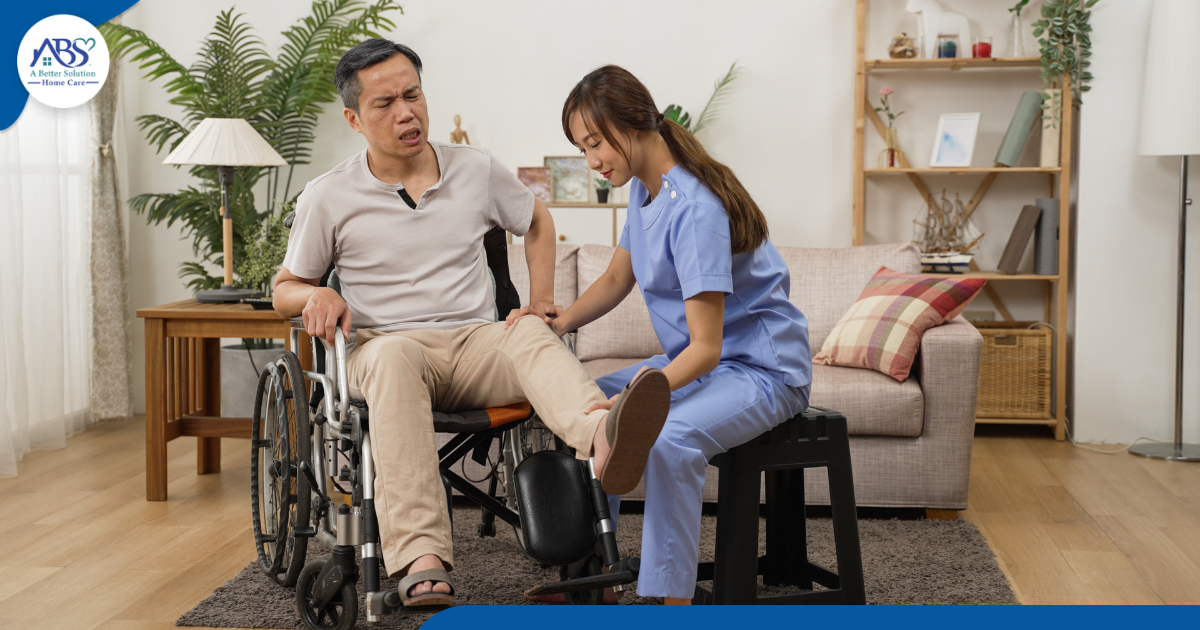
That makes aid and attendance for home care especially relevant when a Veteran wants to remain at home while receiving assistance with daily routines. Depending on the care plan, services may include personal assistance, bathing, dressing, toileting, mobility support, meal preparation, and other non-medical personal care.
It is important to distinguish this benefit from VA Community Care. Community Care is a separate VA health care pathway in which eligible Veterans may receive authorised care from community providers. A pension-based Aid & Attendance payment is not the same thing as a VA referral authorising a provider to deliver Community Care services.

Keeping these pathways separate can prevent families from assuming that receiving Aid & Attendance automatically authorises a home-care provider. For families searching for VA pension home care Florida, the practical question is therefore not simply whether a Veteran qualifies for a benefit. It is also how that benefit fits into the overall cost, type, and organisation of care at home.
2026 Eligibility Requirements
Understanding VA aid and attendance eligibility starts with the underlying pension requirements and the claimant's need for assistance. The following provides a practical overview, but individual eligibility depends on the VA's assessment of the complete circumstances.

Service Requirement: Wartime Service Dates
VA aid and attendance is connected to VA pension eligibility, so qualifying wartime service matters. VA currently recognises several wartime periods, including World War II, the Korean conflict, the Vietnam era, and the Gulf War. Minimum service requirements also vary according to when the Veteran entered active duty and other circumstances.
Medical / ADL Requirement
VA aid and attendance eligibility also depends on the need for regular assistance. Evidence may show that the person needs another individual to help with activities such as bathing, feeding, or dressing; must remain in bed because of illness; resides in a nursing home because of qualifying physical or mental incapacity; or has qualifying severe visual impairment.
Income and Net-Worth Limits (2026)
VA aid and attendance is needs-based within the underlying pension program. VA looks at income for VA purposes and net worth under rules that can include assets and certain deductible expenses. For the period December 1, 2025, through November 30, 2026, the VA lists a net-worth limit of $163,699 for Veterans Pension and Survivors Pension. (These are 2026 figures; Verify current rates on VA.gov.)
Surviving-Spouse Eligibility
A surviving spouse may qualify for Survivors Pension if the deceased Veteran met the applicable service requirements and the spouse meets income and net-worth requirements. The spouse must also satisfy VA's applicable marital and remarriage rules. If the surviving spouse needs VA aid and attendance for regular assistance with everyday activities, the pension may be increased when the applicable requirements are met.
How to Apply for VA Aid & Attendance
The process generally involves establishing both the underlying pension eligibility and the need for additional assistance.
- Review basic eligibility. Check the Veteran's service history, discharge status, age or qualifying disability, income, and net worth.
- Document care needs. Gather medical evidence explaining the person's functional limitations and need for regular assistance.
- Complete the appropriate VA forms. VA Form 21-2680, Examination for Housebound Status or Permanent Need for Regular Aid and Attendance, is used for Aid & Attendance claims.
- Submit the claim. VA provides online and paper application options. For a Veterans Pension claim involving Aid & Attendance, additional pension forms may also be required.
- Provide additional information if requested. Responding promptly to VA requests can help keep the claim moving.
If the claimant is in a qualifying nursing facility, VA may also require Form 21-0779 to document the facility stay. Applicants can also seek assistance from an accredited Veterans Service Officer or another appropriately accredited representative.
Florida Resources for Veterans Needing Home Care
Florida families do not have to navigate every part of the process alone. The right resource depends on whether the immediate question concerns benefits, medical documentation, or arranging day-to-day support.

For families researching VA pension home care Florida options, this distinction is especially useful. A benefits representative can help with the claim, while a home-care provider can help the family understand what assistance is actually needed at home. Veterans should also confirm the funding route before assuming a particular service is covered by VA. Community Care generally has its own eligibility, referral, and authorisation requirements.
Common Mistakes That Can Complicate a Claim
A strong application is not just about filling in forms. The supporting information should give VA a clear picture of the claimant's circumstances.
Common problems include:
- Providing vague descriptions of daily-care needs.
- Submitting incomplete medical documentation.
- Overlooking income or net-worth requirements.
- Using outdated pension rates or financial thresholds.
- Assuming Aid & Attendance and Housebound benefits can be received together.
- Confusing Aid & Attendance with VA Community Care.
- Assuming the benefit automatically authorises a particular home-care provider.
The goal is to provide accurate, current information that explains what assistance is needed and why, while allowing VA to make the eligibility determination under its applicable rules.
Frequently Asked Questions
How much is VA Aid & Attendance in 2026?
There is no single payment amount for everyone. The amount depends on the applicable pension category, dependents, income, and whether the claimant qualifies for Aid & Attendance or another increased rate. VA updates MAPR tables periodically, so verify current rates on VA.gov rather than relying on an old estimate.
Does Aid & Attendance Pay for a Family Caregiver?
VA aid and attendance is an increased pension benefit rather than a guaranteed direct payment to a particular caregiver. The additional funds may help the eligible recipient meet care expenses, but families should confirm the rules that apply to their specific situation before arranging paid caregiving.
Can a Surviving Spouse Get Aid & Attendance?
Yes. A qualifying surviving spouse may receive an increased Survivors Pension amount when the applicable service, financial, and Aid & Attendance requirements are met. The surviving spouse must satisfy the VA's eligibility rules for Survivors Pension.
How Long Does an Aid & Attendance Claim Take?
There is no universal VA aid and attendance processing time. VA states that claims are generally processed in the order received unless priority processing applies. Providing complete, relevant evidence can help avoid unnecessary requests for clarification.
Get Help Planning In-Home Support
When everyday tasks become harder, families are often managing two separate questions at once: What benefits might be available, and what kind of help is actually needed at home? Starting with the VA can help clarify potential pension eligibility. From there, families can build a care plan around the Veteran's routines, preferences, safety needs, and level of assistance.
Once benefits are in place, A Better Solution Home Care can help families explore an appropriate in-home support plan tailored to those needs. Support may include assistance with everyday personal routines and household tasks that make remaining at home more manageable.
Ready to explore care options for a Veteran or surviving spouse? Contact ABS.Care to discuss your home-care needs and the next steps for arranging support. Call 866-945-7973 or visit abs.care.
Benefit rules, rates, eligibility requirements, and VA programmes can change. Families should verify current information directly with VA.gov and obtain individual benefits advice where appropriate.