
What Happens in the First 72 Hours After Hospital Discharge?
01-12-2026
The period immediately following a hospital discharge is often underestimated, yet it plays a critical role in a patient’s recovery. Once a loved one returns home, the structured monitoring, scheduled care, and immediate access to medical staff suddenly disappear. In their place comes a new responsibility for families: to ensure safety, comfort, and stability during a vulnerable time.
This transition can be emotionally overwhelming. Families may feel relieved that hospitalization is over, managing care correctly at home. Questions about medications, mobility, nutrition, and warning signs are common. During this stage, hospital-to-home support becomes an important bridge, helping families navigate early recovery with clarity and confidence, even before professional services are formally arranged.
Why the First 72 Hours Matter
Increased Risk of Hospital Readmission
The first three days after a hospital discharge are widely recognized as the most fragile phase of recovery. During this time, patients are at a higher risk of complications that can lead to avoidable readmissions. Subtle symptoms may worsen quickly if they are not recognized early, making close observation essential for readmission prevention.
Medication Changes and Errors
Medication regimens often change at the time of discharge, which can be confusing for patients and families. New prescriptions, discontinued medications, or altered dosages increase the likelihood of missed or incorrect doses. These errors can slow recovery or cause adverse effects, especially during early post hospital care at home.
Physical Weakness and Fatigue
After hospitalization, many patients experience reduced strength, balance issues, and extreme fatigue. Activities that once felt routine may suddenly feel exhausting. This physical vulnerability increases the risk of falls and injury, particularly during the transition from hospital to home.
Emotional Stress and Adjustment
Emotional stress is common after a hospital discharge. Patients may feel anxious, overwhelmed, or uncertain about their recovery progress, while families worry about providing the right level of care. Without reassurance and support, this stress can negatively impact healing and confidence.
Day 1 After Hospital Discharge — What to Expect
Immediate Challenges
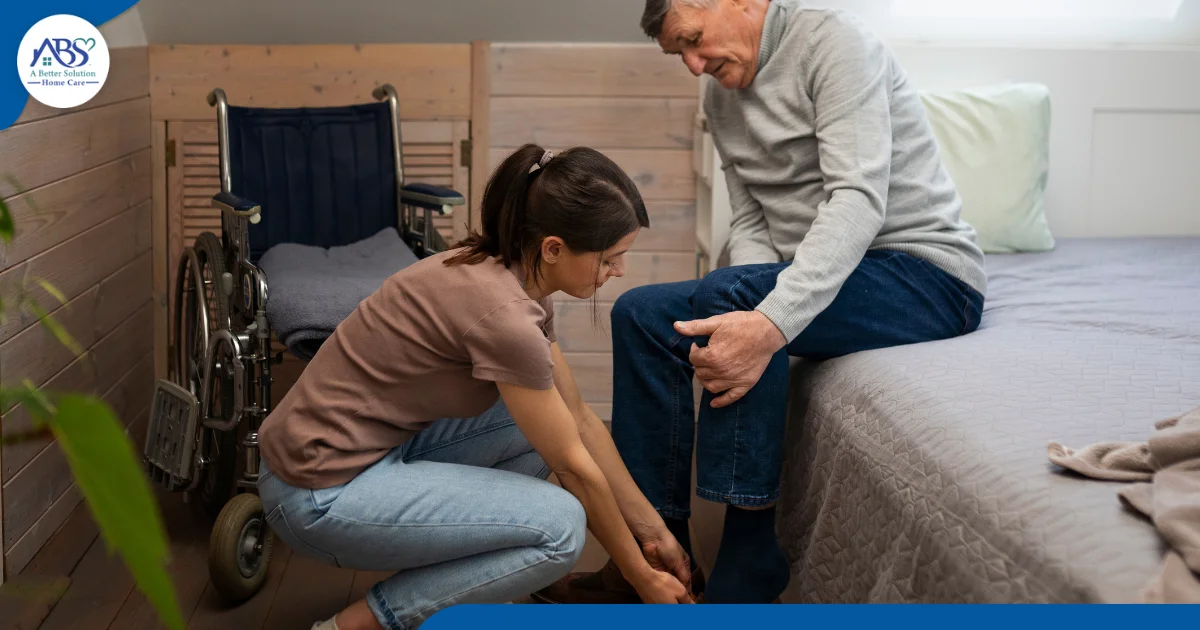
The first day home after a hospital discharge often feels disorienting. Patients are transitioning from a highly controlled medical environment into a space that may not yet be fully adapted to their recovery needs. Even familiar surroundings can feel overwhelming when energy levels are low.
Mobility is often limited on day one. Simple movements such as standing, walking short distances, or using the bathroom may require assistance due to weakness or dizziness. Pain or discomfort can also intensify once hospital medications wear off, making rest difficult and increasing emotional distress.
Key Support Needs
Hospital to home care services support on the first day should focus on minimizing physical strain and ensuring safety. Safe transportation home is essential, as rushing or improper positioning can aggravate pain or fatigue. Once home, setting up a safe environment—clear walkways, accessible essentials, and proper seating—can reduce immediate risks. Rest is equally critical. Patients need uninterrupted recovery time while someone monitors their condition, watching for changes that could indicate complications during this early recovery after discharge.
Day 2 — Adjusting at Home
Physical & Medical Needs
By the second day following a hospital discharge, routines begin to form, but challenges remain. Medication schedules can become confusing, especially when prescriptions have changed or multiple medications are involved. Missed or incorrect doses during this stage can slow healing or cause adverse reactions.
Non-medical recovery support, such as assistance with personal hygiene or light wound care, plays an important role in comfort and infection prevention. Monitoring symptoms such as swelling, fever, or unusual pain, becomes crucial, as early detection is critical in preventing hospital readmissions and supports safer healing.
Emotional & Mental Health
Emotional well-being often fluctuates on day two. Patients may experience anxiety, frustration, or confusion as they realize recovery will take time. This emotional strain can be intensified when patients feel like a burden or worry about doing something wrong.
Having reassurance and companionship during this phase makes a measurable difference. Calm encouragement helps patients regain confidence as they continue the transition from hospital to home.
Day 3 — Establishing a Recovery Routine
The third day after a hospital discharge is typically when structure begins to take shape. Establishing a daily routine helps patients feel more in control and reduces uncertainty. Regular wake-up times, meals, rest periods, and light activity create a sense of normalcy that supports healing.
Nutrition and hydration become increasingly important on day three, as proper fuel aids tissue repair and energy levels. Gentle movement, when appropriate, helps improve circulation and reduce stiffness, while fall prevention remains a priority. Continued observation ensures that recovery stays on track and that follow-up care and monitoring needs are identified early.
Common Risks Families Overlook in the First 72 Hours
Even with careful planning, certain risks can be overlooked:
- Missed medications due to confusion or forgetfulness.
- Falls caused by fatigue or unsafe home layouts.
- Poor nutrition from skipped meals or difficulty preparing food.
- Overexertion while attempting activities too soon.
- Lack of supervision when patients are left alone during critical recovery stages.
Understanding these risks highlights the importance of post-hospital home care support for a safe recovery.
How Hospital-to-Home Care Supports Recovery
Professional post-hospital care for seniors provide structured assistance:
- Transitional care support: Ensures continuity from hospital protocols to home routines.
- Daily assistance: Helps with medication reminders, mobility, and daily needs.
- Safety monitoring: Reduces risks of falls or emergencies.
- Family relief and peace of mind: Eases caregiver burden while ensuring patient comfort.
These services complement follow-up care and monitoring, making the recovery period smoother and safer.
When to Consider Professional Hospital-to-Home Care
Seniors Living Alone
Older adults who live alone face greater risks after a hospital discharge, particularly during the first few days. Without consistent supervision, medication errors, falls, or delayed responses to symptoms can occur, making professional support an important safety measure.
Recovery After Surgery or Serious Illness
Patients recovering from surgery or acute illness often need hands-on assistance with daily activities. Fatigue, pain, and mobility limitations can make independent care unrealistic during the early recovery period, especially in elderly care after hospital discharge.
Managing Chronic Health Conditions
Chronic conditions require careful monitoring during recovery. Changes in symptoms or routines can escalate quickly without proper oversight, making structured support valuable during this adjustment period.
Limited Family Availability
When family members are unable to provide continuous care due to work, distance, or other responsibilities, professional post-hospital home care helps fill the gap. This ensures consistent care without placing excessive strain on loved ones.
How A Better Solution Home Care Helps During the First 72 Hours
At A Better Solution Home Care, our approach focuses on personalized support:
- Personalized care plans tailored to each patient’s recovery needs.
- Trained caregivers who assist with mobility, medication, and daily tasks.
- Coordination with family to ensure everyone stays informed and involved.
- Focus on comfort, safety, and independence to support confidence and healing.
We ensure that the critical first three days after hospital discharge are managed with care, attention, and professional expertise.
Supporting a Safe and Confident Recovery at Home
The first 72 hours after a hospital discharge are pivotal for a patient’s recovery. Early intervention, monitoring, and structured support can reduce the risk of readmissions, prevent complications, and promote physical and emotional well-being. Families who proactively seek guidance and assistance during this period can ensure a safer, smoother transition from hospital to home.
Contact A Better Solution Home Care for professional post-hospital care for seniors and guidance in creating a safe, comfortable recovery environment.